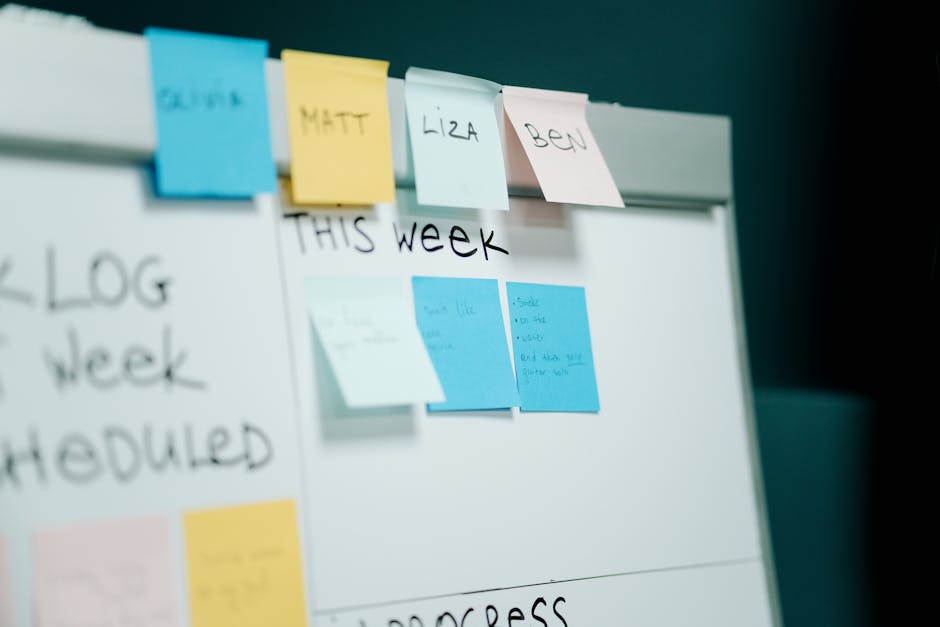
Photo by cottonbro studio on Pexels — source It's a Tuesday morning, and the clock on the wall reads 9:15 AM. The task notebook lies open on the desk, filled with a long list of items that need attention. As I prepare for my first focus block, I glance at the screen and see a flood of Slack notifications lighting up the corner. Each ping pulls my attention away from the three top tasks I had planned to tackle during this deep-work session. The weight of the task list feels heavier than the time I have available, and I can already sense the familiar tug of task-switching creeping in. Despite my best intentions, the workflow habits I've established begin to fray. I reach for my mouse, tempted to check the latest messages, but I know this will only disrupt my concentration further. The top three tasks never get rewritten in my notebook, yet they remain unaddressed as distractions multiply. Each time I switch focus to respond to an email or a message, I lose precious minutes that ...
It’s a Tuesday morning, and you sit at your desk, the familiar glow of your laptop screen lighting up the clutter of your workspace. You’ve set aside this time for a focus block, intent on diving deep into a project that’s been lingering on your to-do list. Yet, as you prepare to mute notifications and open your task list, a reminder popup flashes on the screen, stealing your attention and threatening to derail your plans for the next ten minutes.
The task seems simple until the friction of task switching creeps in. You think about the small admin tasks that have crowded your schedule, each one appearing manageable until it disrupts your workflow habits. Each time you shift focus, the mental cost adds up, making it harder to return to the real work. As you try to refocus, you realize that without a clear plan to tackle these interruptions, your good intentions around time blocking can quickly fade into a series of fragmented work sessions.
A Routine in Motion: The Setup Before the Tabs Open
Sitting at a cluttered desk, the remote worker glances at the browser tab row, where a dozen tabs vie for attention. Each tab represents a task, from quick emails to detailed reports, yet the task list on the side of the screen remains the same: a mix of small admin tasks and the important project that needs focus. As they prepare to dive into a focus block, the familiar sound of notification pings fills the air, each one a potential derailment. The intention to work deeply is overshadowed by the noise of reminders and updates.
Before opening any more tabs, they take a moment to mute notifications, a small but crucial action that helps create a barrier against distractions. With the task list visible on the left side of the screen, they prioritize the important project, but the small admin tasks linger in the back of their mind, demanding attention. This tension between the desire to focus and the pull of task switching creates friction, making it clear that without a strategy to manage these interruptions, the focus block could dissolve into fragmented work sessions. The simple act of planning during this weekday moment reveals how the setup can either support or sabotage productivity.
The First Slip: When Small Tasks Crowd the Real Work
A slightly different version of this problem appears in Managing Energy Not Time, where the sequence changes but the hidden drag feels familiar.
During a typical weekday, the remote worker sits at their desk, ready to dive into a focus block. The task list is open on the left side of the screen, but just as they prepare to start, a reminder popup appears, stealing the next ten minutes of attention. This seemingly harmless notification is about a small admin task—updating a project status—that feels urgent but is far from important. The moment they click on it, the intention to work deeply begins to slip away.
As they check off the minor task, the worker realizes that they’ve lost sight of the bigger project they intended to tackle. The initial plan to engage in a productive work session has been disrupted by a distraction that, while it seemed necessary, only added to the mounting pressure of task switching. With the browser tab row now cluttered with irrelevant updates, they find themselves caught in a cycle of checking off small tasks instead of focusing on what truly matters. This friction illustrates how even one missed check can derail an entire focus block, leading to fragmented work sessions that fail to yield meaningful progress.
Why Task Switching Disrupts Focus Blocks
If this pattern keeps repeating, Focus Without Burnout extends the idea without leaving the niche.
During a typical weekday, a remote worker sits down at their desk, ready for a focus block. They glance at their task list, but before diving in, a reminder popup appears on their screen, alerting them to a minor admin task. This seemingly simple action—updating a project status—pulls them away from their primary goal. The moment they click on the notification, the mental gears begin to shift, and the initial intention to concentrate on a significant project starts to fade.
As they complete the small task, the worker realizes that switching costs have crept in. The mental load increases, making it challenging to return to their original focus. With each admin task checked off, the browser tab row becomes cluttered, creating a visual distraction that further fragments their attention. The good intentions behind time blocking are overshadowed by the reality of task switching, where even a single minor interruption can derail the entire work session. To regain focus, it’s crucial to mute notifications before starting the next block, ensuring that the path to deep work remains clear.
A Practical Adjustment: Muting Notifications
During a typical weekday, a remote worker sits at their desk, surrounded by a sea of open browser tabs, each one a potential distraction. They glance at a notification pop-up, a reminder about an upcoming deadline, and feel the familiar tug to check it. Instead of succumbing to the urge, they take a moment to mute all notifications. This simple action creates a barrier against the small admin tasks that often crowd out their real work.
Next, they pull up a dedicated task list on their screen, specifically for admin tasks that can be handled later. By placing this list in a separate tab, they keep their focus clear and avoid the trap of multitasking. The decision to handle these minor tasks outside of their focus block allows them to dive into deeper work without the constant threat of interruptions. Each time they sit down for a focus block, they repeat this sequence: mute notifications, open the task list, and then close all other tabs. This small adjustment not only streamlines their workflow but also reinforces a habit of prioritizing focus over fleeting distractions.
Carrying Forward: The Impact of a Focused Adjustment
With notifications muted, the remote worker dives into their primary task, a project proposal that has been lingering on the desk for too long. The absence of pings and alerts creates a bubble of concentration, allowing them to type uninterrupted for a full thirty minutes. This clarity transforms their approach, as they can focus on crafting coherent arguments rather than jumping between tabs and losing their train of thought.
Once the proposal is complete, they glance at their task list, which now feels manageable and organized. The next scheduled focus block is for reviewing a client email, a task that requires similar attention. By keeping the admin tasks in a separate tab, they avoid the common pitfall of letting minor issues disrupt the flow of significant work. This method not only ensures that the proposal is polished but also sets the stage for a smoother transition into the next focus block.
As they prepare for the email review, the worker feels a sense of accomplishment. The decision to mute notifications and prioritize their main task has paid off, resulting in a completed project proposal and a clearer mind. This simple adjustment leads to a more productive day, where each focus block builds on the success of the last, making the workflow feel less fragmented and more cohesive.
As the remote worker sits at their desk, they realize that even the simplest tasks can lead to unexpected delays. A reminder popup for an upcoming meeting steals ten minutes, pulling them away from the focus block they had planned. This interruption highlights the friction caused by task switching, where small admin tasks can easily crowd out more significant work. To combat this, they decide to keep a visible task list on their desktop, ensuring that only essential tasks are in view during their focus sessions.
By muting notifications and setting clear boundaries around their focus blocks, they can minimize distractions effectively. This adjustment not only helps maintain momentum but also reinforces the importance of prioritizing significant tasks over minor interruptions. As they prepare for their next focus block, they remind themselves to check the task list first, ensuring that they stay aligned with their goals and maintain a smoother workflow.