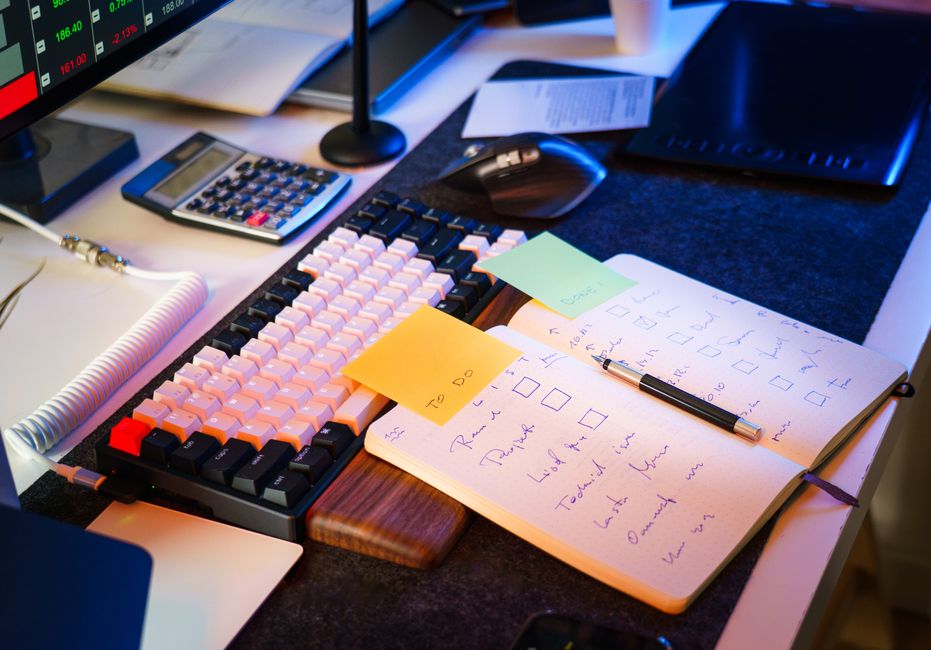
Photo by cottonbro studio on Pexels — source It's a Tuesday morning, and the clock on the wall reads 9:15 AM. The task notebook lies open on the desk, filled with a long list of items that need attention. As I prepare for my first focus block, I glance at the screen and see a flood of Slack notifications lighting up the corner. Each ping pulls my attention away from the three top tasks I had planned to tackle during this deep-work session. The weight of the task list feels heavier than the time I have available, and I can already sense the familiar tug of task-switching creeping in. Despite my best intentions, the workflow habits I've established begin to fray. I reach for my mouse, tempted to check the latest messages, but I know this will only disrupt my concentration further. The top three tasks never get rewritten in my notebook, yet they remain unaddressed as distractions multiply. Each time I switch focus to respond to an email or a message, I lose precious minutes that ...
On a typical Wednesday, the desktop monitor edge is cluttered with sticky notes and open tabs, each representing a task vying for attention. As the clock edges toward 10 AM, a quick glance at the calendar reveals a series of back-to-back meetings lined up, each blocking out chunks of time. The task list feels overwhelming, and the pressure to align the day’s focus with available energy is palpable. The first step is to rewrite the top three tasks, but before that can happen, the calendar must be checked to confirm the meeting times.
However, this simple action often spirals into a time sink. A reminder popup from a project management tool interrupts the flow, stealing the next ten minutes as notifications pile up. The task list, initially meant to guide the workflow, becomes buried under setup clutter. With each calendar check, the urgency to adjust priorities increases, yet the clarity needed to execute these adjustments slips away. This friction point highlights how even straightforward time blocking methods can falter in the face of a crowded schedule, leaving freelancers grappling with mismatched task order and real energy levels.
The Overloaded Calendar: A Common Scene
Staring at the packed calendar on the edge of the desktop monitor, a freelancer feels the weight of overlapping commitments. Each block is filled with meetings and deadlines, leaving little room for focused work sessions. Mid-morning, when energy dips, the pressure mounts. The next useful action—rewriting the top three tasks—is obscured by the clutter of notifications and reminders. A quick glance at the calendar, intended to confirm meeting times, often leads to a rabbit hole of distractions.
As the calendar is checked, a reminder popup from a project management tool interrupts the flow, pulling attention away from the task at hand. Ten minutes slip away as notifications pile up, and the original intent of clarifying priorities is lost. The urgency to adjust the day’s focus grows, yet the clarity needed to execute these adjustments remains elusive. This friction point illustrates how a crowded calendar can derail even the simplest time blocking methods, leaving freelancers in a cycle of indecision as they struggle to align their task order with their real energy levels.
The First Decision: To Block or Not to Block?
Mid-morning, the desktop monitor edge is cluttered with open tabs and notifications. A freelancer faces a crucial moment: set a focus block for the next hour or check the notifications that have been piling up. The temptation to click on the notification window is strong; it promises quick answers and a sense of control over the day’s chaos. However, this choice often leads to a cascade of distractions that can derail the entire work session.
Choosing to check notifications feels easier under the pressure of a long task list. As the calendar is opened, a reminder popup steals the next ten minutes, shifting attention away from the intended focus block. The original plan to rewrite the top three tasks becomes buried under the clutter of new messages and alerts. This friction illustrates how the decision to forgo time blocking, even momentarily, can create a cycle of interruptions, making it harder to regain focus and align tasks with real energy levels. The next useful action, once clear, is now obscured by the noise of notifications, leaving the freelancer stuck in a loop of indecision.
This same friction shows up again in Focus Without Burnout, especially when the day tightens unexpectedly.
The Cost of Distraction: A Mini Case
On a typical weekday, the freelancer sits at their desk, the monitor displaying a meticulously planned calendar block. The intention is clear: dedicate the next hour to rewriting the top three tasks on the to-do list. However, just as the work session is about to begin, a notification pops up from the corner of the screen. The temptation to click is irresistible, promising a brief escape from the looming task list. But this choice comes with an immediate cost; that single click steals the next ten minutes, as the freelancer gets drawn into a web of emails and messages.
Once the distraction has run its course, the original plan to focus on the top tasks feels buried under a growing backlog. The mental shift from a focused state to a reactive one creates a cascading effect: tasks pile up, and the clarity of priorities fades. The next useful action, once straightforward, is now obscured by the clutter of new alerts and the pressure of unfinished tasks. This moment illustrates how choosing to check notifications, even for a brief moment, can derail productivity and create a cycle of interruptions that makes it increasingly difficult to align tasks with real energy levels.
A Better Choice: Prioritize and Block Effectively
When the calendar fills up with back-to-back meetings, it becomes crucial to streamline your focus. Before diving into a work session, take a moment to identify the top three tasks that align with your energy levels and deadlines. This simple act can make a significant difference in how you navigate your day.
List your top three tasks on a sticky note and place it on the edge of your desktop monitor for constant visibility.
Mute all notifications on your phone and computer during your focus block to eliminate distractions.
Instead of checking your calendar before opening your work document, decide to review it only after completing your focus block to maintain momentum.
This approach helps you tackle your most important tasks without getting sidetracked by the clutter of notifications or the pressure of an overflowing calendar. By prioritizing effectively and creating a distraction-free environment, you can reclaim your focus and work in a more productive flow, even on crowded days.
The Outcome of Consistent Choices
If this pattern keeps repeating, Managing Energy Not Time extends the idea without leaving the niche.
Freelancers often face a barrage of notifications and calendar alerts that can derail their focus. When a reminder popup appears on the screen, it can steal ten precious minutes, shifting attention away from the task at hand. By consciously choosing to mute notifications during critical work sessions, the workflow becomes smoother and distractions are minimized. This small adjustment creates a clearer mental space, allowing for deeper engagement with tasks.
Desk planning plays a crucial role in this process. After identifying the top three tasks for the day, place them on a sticky note at the edge of your desktop monitor. This visual cue serves as a constant reminder of priorities, helping to keep stress at bay. When the calendar gets checked only after a focus block, rather than before opening the work document, the freelancer can maintain momentum and avoid the clutter of an overflowing task list.
Over time, sticking to this method leads to tasks being completed on schedule, resulting in a more manageable day. The carry-forward effect is notable; as distractions decrease, the freelancer finds it easier to enter a productive flow. Each successful session reinforces the habit, leading to a more organized approach to time management. This not only enhances daily productivity but also fosters a sense of accomplishment that can be carried into future work sessions.
When the calendar is overloaded with meetings, the risk of losing focus increases significantly. A quick glance at the calendar before diving into a work session can lead to distractions, especially if a reminder popup steals the next ten minutes. This interruption can derail the entire focus block, making it difficult to prioritize the top tasks at hand. Instead of checking the calendar first, consider keeping it minimized during your focus time. This simple adjustment allows you to dive straight into your tasks without the clutter of an overflowing schedule clouding your mind.
As you navigate through your day, remember to keep your top three tasks visible on a sticky note at the edge of your desktop monitor. This not only acts as a constant reminder but also helps you stay aligned with your energy levels. By consciously deciding to check the calendar only after completing a focus block, you can maintain your workflow and avoid unnecessary interruptions. The next time you sit down to work, take a moment to ensure your notifications are muted, allowing for a smoother transition into your tasks without the chaos of calendar overload.