Navigating Time Blocking Slip-Ups on Busy Days

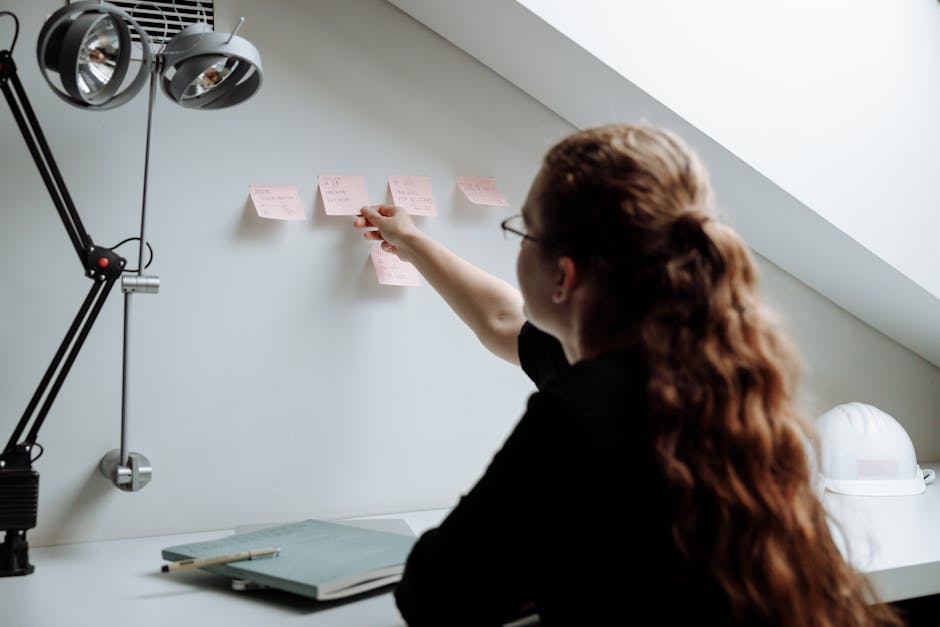
It's 10:15 AM on a Wednesday, and the desktop monitor edge is cluttered with sticky notes and a half-opened calendar block. The plan for the day is clear: tackle three high-priority tasks in focused sessions. Yet, as the clock ticks, small admin tasks keep creeping in—responding to emails, checking messages, and scheduling last-minute meetings. Each interruption pulls attention away from the core work, making it harder to maintain the energy needed for those focus blocks. The top three tasks, neatly written down, remain untouched as the day slips into a series of task switches.
With notifications pinging from multiple tabs, it becomes increasingly difficult to stay on track. The muted notification window sits waiting, but the habit of checking for updates feels too strong to resist. Each time a small task is completed, it feels like progress, but it often leads to a false sense of productivity. The real work gets pushed aside, and by the end of the day, the calendar block is filled with meetings and minor tasks, leaving little room for the focused work that was intended. Recognizing this pattern is the first step in adjusting workflow habits to reclaim those valuable focus blocks.
The First Task That Gets Overlooked
Sitting at my desk, I glance at the cluttered edge of my desktop monitor, where a colorful array of sticky notes competes for attention. Each note represents a task, but on this particular weekday, the calendar block is already filled with back-to-back meetings. My focus is split between the calendar app, a barrage of email notifications, and the reminders pinging from my task management tool. It’s a familiar scene, yet today feels particularly chaotic.
The moment I settle into a focus block, the small admin tasks begin to creep in. I tell myself I’ll tackle the top three tasks on my list, neatly written down and waiting for my attention. But as I check the time, I realize I’ve spent the last thirty minutes responding to emails and adjusting meeting times instead. Each small task completed feels like a win, but they only serve to erode the time I had set aside for real work.
To regain control, I mute all notification windows on my desktop, a simple yet effective adjustment. With the distractions silenced, I can finally return to my calendar block and prioritize those top three tasks. However, as I prepare to dive back in, I notice that the focus block I had planned is now at risk of being swallowed by the next meeting. The cycle of task switching continues, and I’m left wondering how to carve out that uninterrupted time for the work that truly matters.
When Focus Blocks Start to Fray
Between two focus blocks, my desktop monitor is cluttered with open tabs and a blinking notification window that draws my eye. I glance at my calendar block, which shows a tight schedule filled with meetings and small admin tasks. The intention was to dive into my top three tasks, but instead, I find myself toggling between responding to messages and adjusting project timelines. Each ping feels urgent, pulling me away from the real work I had planned. The momentary satisfaction of checking off these minor tasks masks the creeping realization that my focus is slipping.
As I mute the notification window, I notice the time slipping away. I had intended to spend this hour on substantial work, but the small tasks have crowded my focus block. I quickly check my task list and see that the top three tasks remain untouched, still waiting for my attention. The missed check on my calendar block becomes a glaring reminder of how easily distractions can derail my workflow. I can feel the pressure of the next meeting approaching, and I know that if I don’t reclaim this time now, I’ll be left juggling tasks instead of making real progress.
If this pattern keeps repeating, Focus Without Burnout extends the idea without leaving the niche.
Understanding the Friction of Task Switching
Between two interrupted focus blocks, the clutter on my desktop monitor edge becomes a visual reminder of how easily my time blocking slips away. I’ve got multiple tabs open, each representing a different project, and the constant urge to switch between them is overwhelming. When I glance at my calendar block for the day, I see a series of meetings lined up, which only adds to the mental load. It’s not just about managing time; it’s about managing attention amidst distractions.
- Each notification pulls me from my intended workflow, making it hard to maintain focus on my top three tasks.
- Switching tools—like moving from my email to a project management app—adds friction that eats into my productivity.
- As I toggle between screens, the good intentions of completing my tasks fade away, leading to a sense of overwhelm.
At 10:15 AM, I realize I’ve spent more time navigating my digital environment than actually working on my tasks. The hidden step of muting notifications should have been my first action, but instead, I let them accumulate. This small choice to engage with minor admin tasks instead of focusing on substantial work illustrates how quickly good intentions can derail my day.
Revising the Sequence: A Simple Adjustment
At my desk, the clutter of open tabs and a calendar filled with back-to-back meetings creates a chaotic environment. Each notification that pops up feels like a small but persistent distraction, pulling my focus from the tasks I need to prioritize. I often find myself in a cycle of task switching, where I jump from one minor admin task to another, losing sight of my primary objectives. Today, as I glance at the clock, I realize it’s already 10:30 AM, and I’ve barely made progress on my top three tasks.
To reclaim my focus, I decide to block out a dedicated session for deep work. I mute all notifications on my desktop, ensuring that my attention won’t be diverted by incoming emails or messages. Next, I rearrange my calendar block: instead of trying to squeeze in work between meetings, I shift my focus block to the hour immediately following lunch, when I know I’ll have more energy. This small adjustment allows me to approach my tasks with a clearer mind, free from the interruptions that previously derailed my workflow.
As I prepare for this focused session, I place a sticky note on the edge of my monitor, reminding me to stick to my main tasks. This visual cue serves as a decision rule, guiding my attention back to what matters most. By creating this simple yet effective setup, I can better navigate the demands of a busy day and ensure that my time blocking remains intact, despite the inevitable disruptions that come my way.
What Happens Next After the Change?
A slightly different version of this problem appears in Managing Energy Not Time, where the sequence changes but the hidden drag feels familiar.
With the calendar block adjusted, I notice an immediate shift in my focus. Instead of flitting between tasks, I hone in on my top three priorities, which I’ve written on a sticky note and placed prominently on the edge of my monitor. This simple visual reminder helps me resist the urge to dive into minor admin tasks that usually crowd my attention. As I sit down for my first focused session post-lunch, the clutter of my digital workspace feels less overwhelming.
During this hour, I open only the essential tabs on my browser—my project management tool and the document I’m currently drafting. By doing this, I eliminate the distractions that come with task switching. Each time I feel the pull to check my email or a notification, I glance at the sticky note, which keeps me anchored to my main objectives. The result is a clearer path for my work session, allowing me to make significant progress without the usual interruptions.
As I wrap up this focused block, I realize that the adjustments made earlier have not only increased my productivity but also reduced the mental fatigue that often accompanies a day filled with back-to-back meetings. I can now approach the next session with a renewed sense of purpose, ready to tackle whatever comes next without the baggage of unfinished tasks weighing me down. However, I still need to be mindful of the next wave of meetings on my calendar, as they could easily disrupt this newfound rhythm.
As I glance at the calendar block on my monitor, I can see how easily the small admin tasks have crept in, nudging aside my top priorities. With each meeting that fills the day, those essential focus blocks become harder to maintain. I find myself shifting between tabs, trying to juggle notes and reminders, but the real work often slips through the cracks. The top three tasks I had planned never get rewritten, and I’m left with a lingering sense of incompleteness.
To regain control, I need to implement a simple check: muting notifications during my focus sessions. This small action can create a buffer against the distractions that threaten to derail my workflow. By placing a sticky note on my monitor that highlights my main objectives, I can anchor my attention and ensure that when the next wave of meetings arrives, I’m prepared to defend my focus time more effectively.