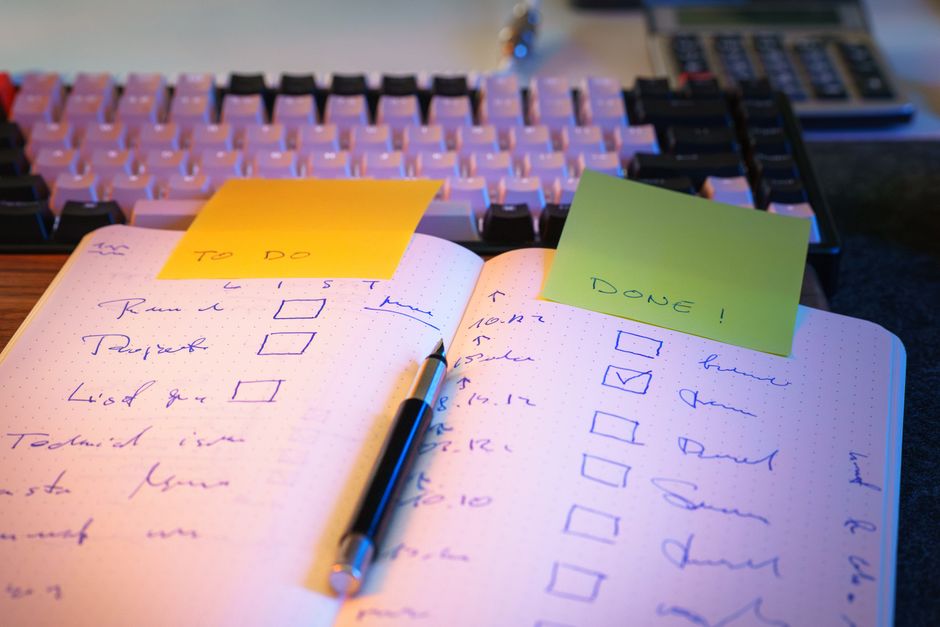
Photo by cottonbro studio on Pexels — source It's a Tuesday morning, and the clock on the wall reads 9:15 AM. The task notebook lies open on the desk, filled with a long list of items that need attention. As I prepare for my first focus block, I glance at the screen and see a flood of Slack notifications lighting up the corner. Each ping pulls my attention away from the three top tasks I had planned to tackle during this deep-work session. The weight of the task list feels heavier than the time I have available, and I can already sense the familiar tug of task-switching creeping in. Despite my best intentions, the workflow habits I've established begin to fray. I reach for my mouse, tempted to check the latest messages, but I know this will only disrupt my concentration further. The top three tasks never get rewritten in my notebook, yet they remain unaddressed as distractions multiply. Each time I switch focus to respond to an email or a message, I lose precious minutes that ...
At the kitchen table, the clock ticks toward noon, and the browser tab row is cluttered with various projects. Each time block feels like a race against interruptions, with notifications pinging in the background, splitting attention between tools and reminders. The desk surface doesn’t match the task sequence; papers from yesterday's work are strewn about, creating a visual distraction that pulls focus away from the current priorities.
Energy levels dip as the afternoon approaches, yet the calendar blocks remain untouched. The intention to create focused work sessions often falters when the setup isn’t right. Without a visible task list to check off, it’s easy to get lost in the browser tabs, switching tasks instead of diving deep into one. Each time a focus block is interrupted, the flow is broken, making it harder to regain momentum. Recognizing these friction points can help in recalibrating the approach to time blocking, ensuring that the method serves the workflow rather than complicating it.
The Setup That Often Gets Overlooked
The kitchen table, cluttered with yesterday’s papers, a half-finished coffee cup, and the laptop, creates a chaotic backdrop for focused work. As the clock ticks toward the afternoon, the intention to tackle three main tasks feels increasingly distant. Each time the phone buzzes or the dog barks, attention fractures, pulling focus away from the screen filled with open browser tabs. The effort to keep everything organized slips through fingers like sand, especially when the visible task list is buried beneath a pile of notes.
In this moment, the decision to block off a dedicated focus session becomes critical. To regain control, the first step is to clear the desk surface, moving aside the clutter that distracts from the task at hand. Open the task list on the laptop and prioritize the top three tasks, ensuring they remain visible throughout the session. This small adjustment—placing the list in a prominent spot—creates a mental anchor, guiding attention back when interruptions arise. Without this clear visual cue, the risk of task switching increases, making it easy to drift into less important activities, further complicating the already challenging workflow.
The Hidden Steps That Disrupt Focus
As the afternoon slump approaches, the kitchen table becomes a battleground of open browser tabs and scattered notes. One overlooked step in the time blocking process is failing to prioritize tasks before diving into a focus block. Without a clear view of what needs tackling first, confusion reigns. The top three tasks should be pulled from the visible task list and highlighted on a sticky note, placed right next to the laptop. This simple act creates a focal point, guiding attention back when distractions arise.
Switching between tools and tabs can further complicate the workflow. Each time the screen shifts from a document to a spreadsheet, valuable seconds slip away. It’s easy to underestimate how these transitions fracture concentration. Instead of jumping straight into a task, take a moment to check that all necessary tabs are open and organized in a single row. This small adjustment minimizes the friction that comes from searching for a tool mid-session, preserving the energy needed for focused work.
When the desk surface doesn’t match the task sequence—say, when a note-taking app is buried under a pile of unrelated documents—time and attention are stolen. As the clock ticks, the risk of drifting into less important activities increases. Keeping the workspace aligned with the intended focus block is crucial. By ensuring that the most relevant tools are front and center, you can sidestep the common pitfalls of task switching and maintain a clearer path to productivity.
What Happens When Attention Splits
A slightly different version of this problem appears in Managing Energy Not Time, where the sequence changes but the hidden drag feels familiar.
During a typical weekday at the kitchen table, the phone buzzes with a new email notification, pulling attention away from the planned focus block. Each ping is a small disruption, fracturing the momentum built during the morning's productive hours. If the browser tab row is cluttered with unrelated sites, it becomes increasingly difficult to navigate back to the intended tasks. This clutter not only distracts but also delays the next steps in the workflow, as time is wasted searching for the right tab or document.
To combat this, take a moment before diving into a session to close unnecessary tabs and silence notifications. By keeping only the essential tools open—like the task list and relevant documents—you create a clearer path for your focus block. When distractions are minimized, the energy required to maintain concentration stays intact. If the calendar block is not aligned with the tasks at hand, it can lead to a frustrating experience where the most critical items on your list get pushed aside. The top three tasks should always be visible and prioritized, ensuring they never get rewritten or forgotten amidst the chaos of incoming messages and scattered tabs.
A Better Order for Your Focus Blocks
If this pattern keeps repeating, Focus Without Burnout extends the idea without leaving the niche.
At the kitchen table, the clutter of open browser tabs often distracts from what needs to be done. Instead of diving into the first task on the list, take a moment to clear the workspace. Close any tabs that aren’t directly related to the current focus block. This simple act can drastically reduce the mental overhead and help maintain concentration during the next 25-minute session.
Once the distractions are minimized, place a visible task list right in front of you. Highlight the top three tasks that need attention. Setting a timer for 25 minutes on your phone can create a sense of urgency. During this time, focus solely on the first task, avoiding any task switching or interruptions. After the timer goes off, take a short break before moving on to the next item. This revised order not only clarifies what to tackle first but also aligns your energy levels with the tasks that require the most focus.
What Changes When You Adjust Your Sequence
When working from a kitchen table, the clutter of open browser tabs can easily derail a focus block. Before diving into your tasks, take a moment to streamline your environment. Close any tabs that aren’t essential for the current task. This small adjustment can significantly reduce distractions and set the stage for a more productive session.
With a cleaner workspace, place a visible task list directly in front of you. Highlight the top three tasks to tackle first, ensuring they are written down in a clear, bold format. This not only clarifies your priorities but also serves as a visual reminder of what needs to be accomplished. By focusing on these tasks without interruptions, you’ll experience a sense of accomplishment that fuels your motivation.
As you move through your focus block, notice how an organized desk surface minimizes the friction of task switching. Rather than feeling overwhelmed by a jumble of tasks, you can transition smoothly from one item to the next. This structured approach allows you to maintain your energy levels and attention, making it easier to stay engaged with your work.
As the afternoon dip approaches, the kitchen table can quickly become a cluttered battleground of distractions. To counter this, ensure your browser tab row is streamlined for focus. Close any tabs that aren’t directly related to your top three tasks. This simple act reduces visual noise and helps maintain your attention on what’s essential. When your workspace aligns with your task sequence, you’ll find it easier to transition between focus blocks without losing momentum.
Before diving into your next work session, take a moment to check your visible task list. Is it still front and center? If not, reposition it so it’s the first thing you see when you sit down. This small adjustment can act as a powerful reminder of your priorities and keep you anchored in your workflow. By managing your environment and tools with intention, you’ll navigate the challenges of time blocking more effectively, ensuring that your focus remains sharp even amid interruptions.