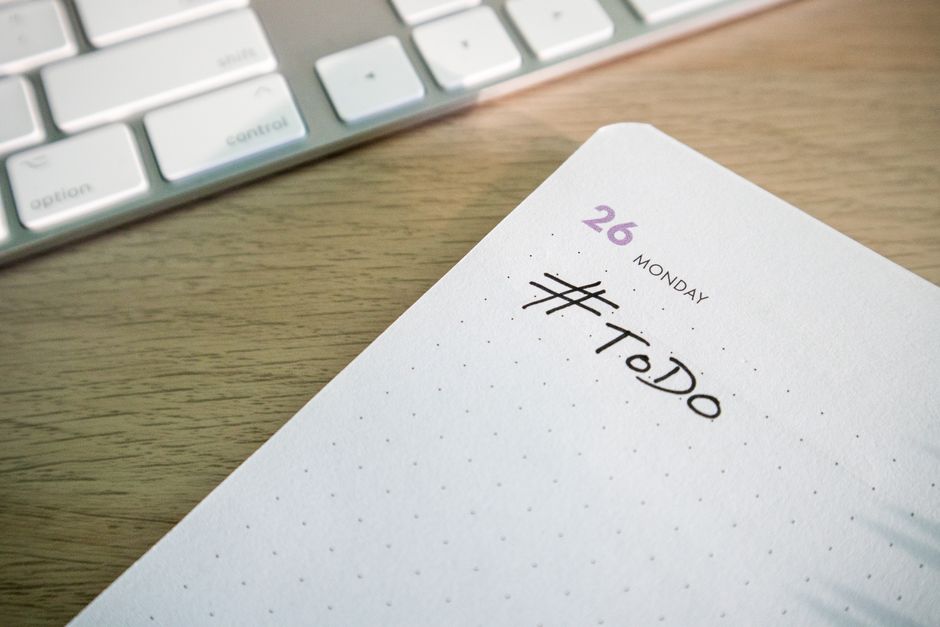
Photo by cottonbro studio on Pexels — source It's a Tuesday morning, and the clock on the wall reads 9:15 AM. The task notebook lies open on the desk, filled with a long list of items that need attention. As I prepare for my first focus block, I glance at the screen and see a flood of Slack notifications lighting up the corner. Each ping pulls my attention away from the three top tasks I had planned to tackle during this deep-work session. The weight of the task list feels heavier than the time I have available, and I can already sense the familiar tug of task-switching creeping in. Despite my best intentions, the workflow habits I've established begin to fray. I reach for my mouse, tempted to check the latest messages, but I know this will only disrupt my concentration further. The top three tasks never get rewritten in my notebook, yet they remain unaddressed as distractions multiply. Each time I switch focus to respond to an email or a message, I lose precious minutes that ...
As the clock ticks past 2 PM, the browser tab row on my screen grows cluttered with notifications and emails demanding attention. Each ping pulls my gaze away, and the small admin tasks—like replying to a quick email or checking a calendar invite—crowd out the real work.
Energy-aware planning feels essential at this moment. I know that the afternoon dip is approaching, yet I haven’t muted the notifications from my messaging apps. This small oversight creates friction in my workflow habits, as I toggle between tasks rather than committing to one. The calendar block I set earlier now feels like a distant memory, overshadowed by the immediate demands of my screen. If I had prioritized muting those notifications first, I might have preserved my focus and avoided the task-switching trap that derails my productivity.
The Moment Tasks Overwhelm
Staring at the browser tab row, I see a jumble of open pages, each vying for my attention. The clock reads 2:15 PM, and my task list looms larger than my available time. Each small task feels simple until I realize the cumulative switching costs are eating away at my focus.
The small red badge on my email icon grows more intimidating, a constant reminder of what I’m not accomplishing. I had planned to dedicate this hour solely to writing, but the reality of my cluttered screen has derailed that intention. One muted notification window could have made a significant difference; instead, I’m stuck in a cycle of task-switching, losing precious minutes that could have been spent on meaningful work.
In this moment, I recognize the friction in my workflow habits. The calendar block I set earlier feels like a distant promise, overshadowed by the urgency of incoming messages. If I had prioritized muting notifications before diving into my focus block, I might have preserved that crucial mental space. Now, as I glance back at my task list, I’m left with the realization that my energy-aware planning has fallen short, and I need to find a way to reclaim my focus before the afternoon dip fully sets in.
When Small Admin Tasks Take Over
A slightly different version of this problem appears in Managing Energy Not Time, where the sequence changes but the hidden drag feels familiar.
The mid-afternoon hours often bring a subtle shift in focus, especially when my browser tab row resembles a chaotic marketplace. Each tab, a potential distraction, beckons for attention. Notifications ping from multiple apps, each sound a siren call pulling me away from deeper work.
Each time I toggle back to the email tab, I lose precious minutes that could have been spent on meaningful progress. The simple act of responding to a quick message feels productive, yet it’s a deceptive tradeoff.
In this moment, I realize the importance of a tiny but crucial adjustment: muting notifications before diving into my focus block. This small check could have created a buffer against the distractions that now threaten to derail my workflow. Instead of allowing my task list to grow unchecked, I should have prioritized that simple action. The next time I sit down for a work session, I’ll make it a point to mute notifications first, ensuring that I can engage with my calendar block without the constant interruptions that lead to task switching.
As I glance back at my screen, I’m faced with a decision: do I continue to chase these small tasks, or do I reclaim my focus? The friction in my workflow is evident, and if I don’t address it now, the afternoon dip will only exacerbate my lack of progress. I need to find a way to cut through the noise and return to the work that truly matters.
Why Switching Costs Add Up
If this pattern keeps repeating, Focus Without Burnout extends the idea without leaving the niche.
The browser tab row glows with a dozen open pages, each one a potential distraction during my focus block. Every time I switch from one task to another, I feel a slight jolt of cognitive overload that disrupts my flow and drains my energy.
Frequent task switching leads to diminished focus and increased fatigue.
Afternoon energy dips make it harder to regain concentration after distractions.
Maintaining a clear focus block requires proactive measures, like muting notifications.
Before diving into my next work session, I should have muted notifications on my email and messaging apps to create a buffer against interruptions. This hidden step often gets overlooked, but it’s crucial for preserving my focus. Good intentions alone won’t keep the small tasks from crowding out the bigger ones. The friction in my workflow is palpable, and without addressing it, I’ll find myself stuck in a cycle of task switching, unable to reclaim the focus I need.
A Simple Adjustment to Regain Focus
My browser tab row is a chaotic mix of open emails, reports, and to-do lists, each vying for my attention. It’s easy to think that I can tackle a few small admin tasks quickly, but they often expand to fill my entire focus block. This is the moment when I realize that without a clear boundary for these smaller tasks, they will overshadow my more significant work.
To regain control, I need to mute notifications on my email and messaging apps before starting my next work session. This simple setup change creates a buffer against distractions. I can also utilize a calendar block to designate specific times for admin tasks, ensuring they don’t creep into my focus periods. The friction of task switching becomes less pronounced when I take this step, allowing me to dedicate my energy to what truly matters. If I don’t make this adjustment, I risk losing my focus and succumbing to the cycle of small tasks that dilute my productivity. A Quick Check That Prevents More Drift As the afternoon approaches, the task list on my screen seems to grow heavier. Before diving into my next work session, I take a moment to check my browser tab row. I notice that I have multiple email tabs open, each one a potential distraction. This is where I can make a quick adjustment.
To prevent these small tasks from expanding and consuming my time, I mute notifications on my email and messaging apps. Additionally, I set a calendar block for admin tasks earlier in the day, ensuring they don’t infringe on my focus periods. By establishing this boundary, I can tackle my more significant work without the risk of drifting into the cycle of minor tasks that dilute my productivity.
Without this quick check, I risk losing my momentum. If I can keep this one muted notification window in place, I stand a better chance of maintaining focus and making real progress during my work sessions.
What Gets Easier in the Next Time Block
After muting my notifications, I shift my focus back to the task list on my screen. This small adjustment creates a clearer mental space, allowing me to dive deeper into the work without the nagging urge to check my inbox.
As I settle into my work session, I notice the time on my desk clock—just past two o'clock. Knowing that I have a limited window before the afternoon dip in energy, I decide to set a timer for 45 minutes. This simple act helps me commit to uninterrupted work, creating a sense of urgency that fuels my concentration. Each minute that ticks by reinforces my focus, making it easier to resist the temptation of task switching.
However, I also recognize the tradeoff involved. While I can push through this block of focused work, I must remain aware that admin tasks will still linger on my list. If I don’t allocate a specific time later for these smaller tasks, they risk creeping back into my focus periods. By acknowledging this pattern, I can ensure that my next calendar block includes a dedicated slot for admin work, keeping my workflow habits intact without sacrificing the quality of my primary tasks.
This common scenario highlights a crucial friction point in time blocking: the small admin tasks that can easily crowd out more significant work. If I don’t set a clear boundary by muting notifications and designating specific blocks for these smaller tasks, I risk losing focus during my dedicated work sessions.
In the rush of a busy workday, it's easy to overlook the importance of energy-aware planning. By intentionally scheduling a focus block before the afternoon dip, I can maximize my productivity. Next time, I’ll ensure that my calendar includes a quick check-in with my task list to allocate time for those admin duties, preventing them from intruding on my primary tasks and maintaining a smoother workflow.