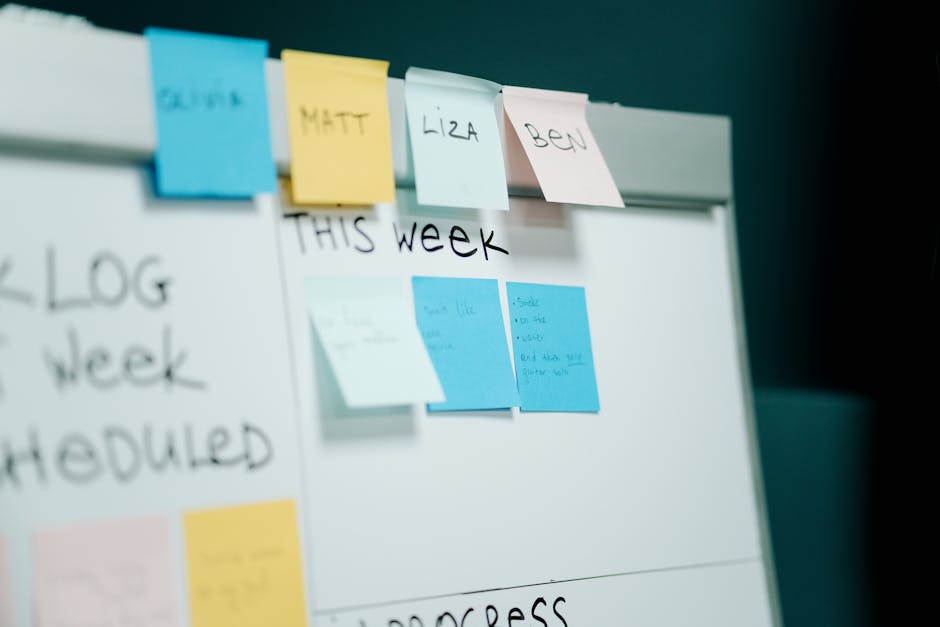
Photo by cottonbro studio on Pexels — source It's a Tuesday morning, and the clock on the wall reads 9:15 AM. The task notebook lies open on the desk, filled with a long list of items that need attention. As I prepare for my first focus block, I glance at the screen and see a flood of Slack notifications lighting up the corner. Each ping pulls my attention away from the three top tasks I had planned to tackle during this deep-work session. The weight of the task list feels heavier than the time I have available, and I can already sense the familiar tug of task-switching creeping in. Despite my best intentions, the workflow habits I've established begin to fray. I reach for my mouse, tempted to check the latest messages, but I know this will only disrupt my concentration further. The top three tasks never get rewritten in my notebook, yet they remain unaddressed as distractions multiply. Each time I switch focus to respond to an email or a message, I lose precious minutes that ...
Why Simple Time Blocking Methods Break Down When Work and Task Surfaces Don't Match
On a typical weekday morning, the browser tab row is overflowing with open pages, each representing a task that needs attention. As the remote worker sits down at their desk, the calendar is already pulled up on one screen, showing a tightly packed schedule. Yet, the top three tasks, which should guide the day’s focus, remain unchanged from the previous week. This oversight often leads to a frantic scramble, where the work surface—the digital workspace filled with documents and tools—does not match the task surface, creating a disconnect that hinders effective time blocking.
Before diving into the working document, a quick glance at the calendar reveals a series of blocks labeled with vague titles like "Project A" or "Admin Tasks." However, without rewriting those top three tasks, the worker risks losing sight of priorities amid the chaos of task switching. This misalignment means that even with a well-structured calendar, the actual workflow can become disjointed, resulting in a less productive day. The simple act of checking the calendar first, without a clear task list, sets the stage for confusion and inefficiency.
The First Step That Gets Skipped
On a typical weekday, a remote worker sits at a cluttered desk, the browser tab row overflowing with open documents, emails, and spreadsheets. The chaos of a busy work environment often seems manageable at first glance, especially with a calendar filled with color-coded blocks for various projects. Yet, the critical step of rewriting the top three tasks for the day is frequently overlooked. This simple act, which could take mere minutes, sets the tone for the entire workflow.
As the worker prepares to dive into the day’s tasks, the calendar is checked first. Blocks labeled "Project A" and "Admin Tasks" appear, but without a clear top three tasks list, the focus starts to drift. The absence of these priorities means that instead of a structured approach, the worker ends up task-switching between tabs, struggling to remember what needs immediate attention. The lack of a defined task list creates a friction point: the work surface, filled with tools and resources, does not align with the task surface, leading to confusion and inefficiency.
To mitigate this, a quick check should be performed right after opening the calendar. The worker can take a moment to jot down the top three tasks on a sticky note or a digital notepad before engaging with the documents. This small adjustment not only clarifies priorities but also streamlines the workflow, transforming a scattered approach into a focused effort. However, if the top tasks remain unchanged from the previous week, the risk of losing sight of what truly matters increases, leaving the worker to navigate a maze of distractions.
On a typical weekday, a remote worker sits at their desk, the browser tab row overflowing with open projects and emails. The calendar is checked only after multiple tabs have been opened, leading to a frustrating cycle of task-switching. Each click pulls the worker deeper into a web of distractions, with the task list becoming a jumble of competing priorities. This is where the default time blocking method begins to falter.
When the calendar block is not consulted until after the work surface is cluttered with tabs, the worker loses focus. The initial intention to tackle the top three tasks evaporates as they flit between documents, struggling to recall what needs immediate attention. This lack of a clear focus not only wastes time but also creates a friction point: the work surface, filled with tools and resources, does not align with the task surface. Without a defined list, the worker is left navigating a maze of distractions, which only amplifies under pressure.
To mitigate this, a quick check should be performed right after opening the calendar. Before diving into the work, the worker can take a moment to jot down the top three tasks on a sticky note or a digital notepad. This small adjustment ensures that priorities are clear and sets the stage for a more focused effort. However, if the top tasks remain unchanged from the previous week, the risk of losing sight of what truly matters increases, leaving the worker to grapple with an overwhelming array of tabs and tasks.
A Better Order for Task Management
When the task list stretches longer than the available time, the remote worker's browser tab row becomes a chaotic landscape. Switching between multiple tabs without a clear focus leads to missed deadlines and unfinished tasks. A simple yet effective alternative to the default method involves rewriting the top three tasks before the work session begins. This adjustment ensures that the worker is not merely reacting to the chaos of the day but is instead proactively managing their time.
Start by opening the calendar and allocating specific time blocks for each of the top three tasks.
Use a sticky note or a digital notepad to jot down these tasks, placing it prominently on the desk or screen.
Check off each task as it is completed, reinforcing a sense of accomplishment and focus.
By implementing this checkpoint right after opening the calendar, the remote worker can align their work surface with their task surface. This small shift in order can significantly enhance focus during crowded work blocks, making it easier to navigate the demands of the day without feeling overwhelmed.
Understanding the Tradeoff
Switching from a default time blocking method to an alternative approach often means sacrificing spontaneity for structure. In a remote work environment, where the browser tab row is filled with distractions, this upfront planning can feel burdensome. For instance, before diving into the day’s tasks, a remote worker might spend an extra ten minutes rewriting the top three tasks on their digital notepad. This initial investment can lead to rigidity, where the worker feels locked into their planned tasks instead of adapting to emerging priorities.
However, this rigidity can also provide clarity amid chaos. By taking the time to check the calendar and allocate specific focus blocks for those top three tasks, the worker creates a clear roadmap. They might find that while the flexibility of the default method allows for quick task-switching, it often leads to a fragmented workflow. In contrast, the alternative method, despite its upfront time cost, fosters a more cohesive work session. The key tradeoff lies in balancing the immediate need for adaptability with the long-term benefits of a structured approach, making it worth considering for those days when the task list feels overwhelming.
If this pattern keeps repeating, Managing Energy Not Time extends the idea without leaving the niche.
During a typical weekday, a remote worker might find themselves staring at a cluttered browser tab row, overwhelmed by multiple open projects and tasks. Before diving into their working document, a quick check of the calendar can set the tone for the day. Setting a focus block on the calendar for 30 minutes can help create a dedicated time for the top three tasks, ensuring that the worker doesn’t drift into other distractions. This simple act of scheduling not only carves out time but also prompts a mental shift, preparing the worker to tackle the most pressing items first.
Once the focus block is established, the next step involves reviewing the task list. Instead of sticking to the same three tasks from the previous day, the worker should take a moment to adjust them based on current priorities. This could mean swapping out a low-priority task for something more urgent that just came up. By actively engaging with the task list, the worker can avoid the common mistake of neglecting to rewrite their top tasks, which often leads to a fragmented workflow. This adjustment, made before opening the document, ensures that the work surface aligns with the tasks at hand, creating a smoother transition into focused work.
When the Alternative Fits Best
This same friction shows up again in Focus Without Burnout, especially when the day tightens unexpectedly.
On a typical weekday, when the browser tab row is overflowing with open projects and deadlines loom, the default time blocking method can falter. The initial setup often leads to a mismatch between the work surface and the task surface, especially when distractions multiply. In these moments, an alternative method becomes essential, particularly when the task list exceeds the available time.
Consider a scenario where the worker has a calendar block set for a focus session. Instead of diving straight into the document, take a moment to check the calendar first. This small act can serve as a mental reset. If the calendar reveals back-to-back meetings or urgent tasks that weren’t on the original list, it’s time to rewrite the top three tasks. This adjustment ensures the most relevant items are prioritized, allowing for a smoother transition into focused work.
With distractions high, the need for clarity becomes paramount. Instead of sticking to the same tasks from the previous day, actively engaging with the task list can prevent the common pitfall of neglecting to update priorities. The act of rewriting tasks not only aligns the work surface with the current demands but also reinforces focus habits. When the worker sits down to tackle the day’s challenges, they can do so with a clear understanding of what needs immediate attention, making the alternative method a powerful tool during crowded work blocks.
When the work surface and task surface don’t align, the risk of task-switching increases, especially during crowded work blocks. A remote worker might find themselves flitting between multiple browser tabs, each representing a different task, without a clear focus. This scattered approach can lead to frustration and decreased efficiency. Instead of relying on the same tasks from yesterday, take a moment to rewrite the top three tasks based on the current calendar block. This not only prioritizes what needs immediate attention but also helps in managing attention effectively.
Next time you sit down to work, check your calendar first. If you notice that your schedule is packed with meetings or urgent items, adjust your task list accordingly. By actively engaging with your tasks and ensuring they reflect your current workload, you create a more coherent workflow. This simple act of rewriting tasks can make a significant difference in maintaining focus and productivity throughout the day.