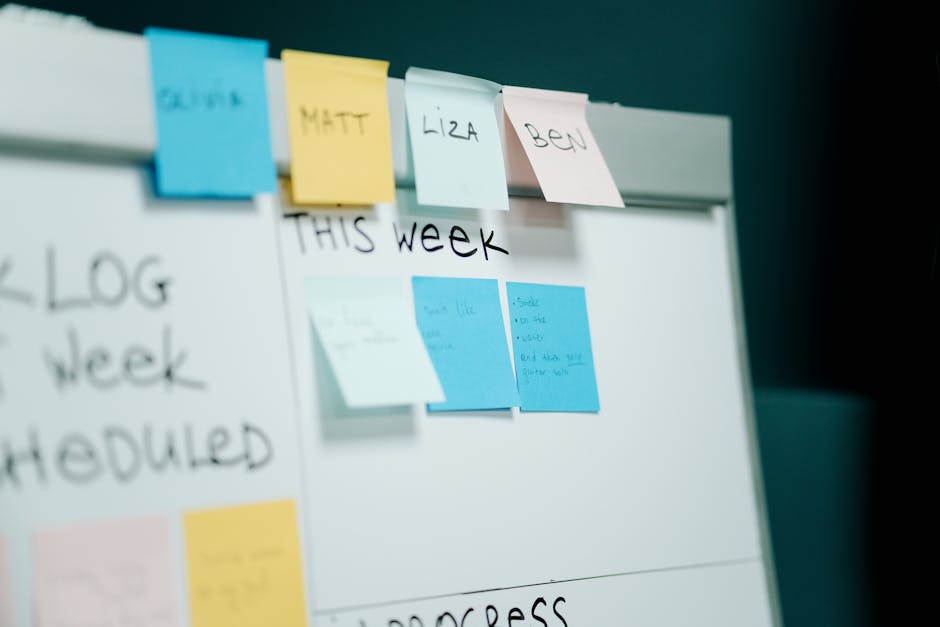
Photo by cottonbro studio on Pexels — source It's a Tuesday morning, and the clock on the wall reads 9:15 AM. The task notebook lies open on the desk, filled with a long list of items that need attention. As I prepare for my first focus block, I glance at the screen and see a flood of Slack notifications lighting up the corner. Each ping pulls my attention away from the three top tasks I had planned to tackle during this deep-work session. The weight of the task list feels heavier than the time I have available, and I can already sense the familiar tug of task-switching creeping in. Despite my best intentions, the workflow habits I've established begin to fray. I reach for my mouse, tempted to check the latest messages, but I know this will only disrupt my concentration further. The top three tasks never get rewritten in my notebook, yet they remain unaddressed as distractions multiply. Each time I switch focus to respond to an email or a message, I lose precious minutes that ...
Why Simple Time Blocking Methods Break Down When Surfaces Don’t Match
It's a typical Tuesday morning, and the browser tab row is overflowing with open windows, each demanding attention. The calendar shows a neatly blocked hour for focused work, yet the task list feels like an unmanageable scroll. As I glance at the screen, I realize I haven't rewritten the top three tasks for the day, a crucial step that often gets overlooked. Instead, I jump straight into the document, hoping to tackle the most pressing item without a clear focus.
This is where the friction starts. The mismatch between my cluttered task surface and the clean work surface of my calendar block creates chaos. I check the calendar before opening the working document, but without a prioritized list, I’m left flitting between tasks, unsure of where to direct my focus. The intention of time blocking fades as I switch gears, losing valuable minutes to indecision and scattered thoughts. It’s a cycle that repeats, making it clear that without a solid alignment between my tasks and the workspace, productivity takes a hit.
The Default Approach to Time Blocking: A Common Scene
On a typical weekday, I sit at my desk, surrounded by a sea of browser tabs—each one a potential distraction. With my calendar open, I methodically block off an hour for focused work, convinced that this is the key to my productivity. Yet, as I prepare to dive into my tasks, I realize I haven’t taken a moment to review my actual to-do list. Instead, I’m relying on a vague sense of urgency to guide me, which often leads to a mismatch between what’s scheduled and what truly needs to be done.
This oversight becomes painfully clear as I check my calendar before opening the working document. I see my hour is neatly allocated for "Project X," but my task list reveals a different story: emails to answer, reports to draft, and urgent requests that have piled up. Without rewriting the top three tasks, I find myself flitting between items, wasting precious minutes in task-switching. The initial clarity of my time block fades into confusion, highlighting the importance of aligning my desk planning with my calendar blocks. Without this crucial step, I’m left with a chaotic workflow that undermines my focus habits and ultimately disrupts my daily productivity.
If this pattern keeps repeating, Managing Energy Not Time extends the idea without leaving the niche.
During a typical weekday, I sit at my desk, staring at a browser tab row filled with open projects and notifications. My calendar shows a block for "Project X," but the reality is that my task list has grown far beyond what I can tackle in an hour. When tasks exceed available time, the pressure mounts, leading to frantic task-switching that chips away at my focus. I find myself bouncing between tabs, trying to remember what I was supposed to prioritize, which only adds to my overwhelm.
Before I even open my working document, I check my calendar, hoping for clarity. Instead, I’m bombarded by notifications from other tabs that pull my attention away. Each ping distracts me from the task at hand, making it harder to dive into "Project X." This friction becomes a weak point under pressure; the moment I see that I have emails to respond to and reports to draft, the original focus block I set for myself begins to unravel.
To regain control, I need to establish a clearer connection between my desk planning and the calendar block. A simple yet effective move is to rewrite the top three tasks before I check my calendar. By doing this, I create a concrete action plan that aligns with the time I have available. This small adjustment can help prevent the chaos of mismatched work and task surfaces, allowing me to focus better and actually complete what I set out to do.
The Tradeoff: Efficiency vs. Realism
This same friction shows up again in Focus Without Burnout, especially when the day tightens unexpectedly.
During a typical weekday, I sit at my desk, staring at a browser tab row filled with open projects and emails. The strict time blocking I’ve set up feels like a double-edged sword. While it creates a sense of order, it often clashes with the reality of fluctuating workloads and the complexity of tasks. For instance, I might have allocated an hour for "Project X," but as I glance at my calendar, I see a reminder for a last-minute meeting that I forgot to account for. This mismatch between my planned focus block and the actual demands of my day creates friction, making it difficult to dive deeply into any one task.
To adapt, I find it essential to rewrite my top three tasks based on what’s realistically achievable within the time I have left. This simple act shifts my focus from a rigid adherence to my calendar block to a more fluid approach that reflects the current workload. Instead of feeling overwhelmed by the tasks I can’t complete, I prioritize what I can realistically tackle. While this might reduce the illusion of productivity that comes with strict time blocking, it allows for genuine progress on the tasks that truly matter. In the end, the tradeoff between efficiency and realism is worth it, as it leads to a more manageable workflow that aligns with the actual demands of my day. When the Alternative Fits Best: A Practical Check During a typical weekday, I often find my browser tab row overflowing with open projects and tasks. This clutter becomes especially apparent when my task list grows longer than the time I have available. In these moments, I check my calendar and realize that my planned focus blocks don’t align with the reality of my workload. The friction of wanting to dive into multiple tasks but feeling constrained by time can lead to a frustrating cycle of task switching.
To regain control, I implement a simple yet effective strategy: I place one focus block on my calendar specifically dedicated to prioritizing my top three tasks. This isn’t just a matter of picking the first three items on my list; it requires a deliberate rewriting of those tasks based on their urgency and feasibility. Instead of letting my original list dictate my day, I assess what I can realistically tackle. I open my working document, scan my overflowing list, and strike through tasks that can wait, honing in on what truly needs my attention.
This adjustment not only aligns my work surface with my task surface but also reduces the mental clutter that comes from juggling too many priorities at once. By focusing on a manageable set of tasks, I find that I can maintain my workflow without the constant interruptions of task switching. The tradeoff here is clear: while I may not complete everything on my list, I make meaningful progress on the tasks that matter most, leading to a more satisfying workday overall.
When the work surface and task surface don’t match, the result is often a chaotic workflow that stifles productivity. During a busy weekday, I find myself staring at an overflowing browser tab row, each tab a potential distraction. If I neglect to check my calendar block before diving into the working document, I risk losing sight of what truly needs my focus. This misalignment creates friction, as I switch between tasks without a clear priority, leading to a fragmented work session.
To counter this, I make it a point to rewrite my top three tasks at the start of each focus block. This simple act of prioritization not only clarifies my immediate goals but also ensures that my work aligns with my available time. By checking my calendar first, I can better assess how to allocate my energy, preventing the all-too-common trap of task-switching when the list feels overwhelming. Next time you sit down to work, take a moment to align your tasks with your calendar; it’s a small adjustment that can yield significant improvements in your daily productivity.