Photo by cottonbro studio on Pexels — source It's a Tuesday morning, and the clock on the wall reads 9:15 AM. The task notebook lies open on the desk, filled with a long list of items that need attention. As I prepare for my first focus block, I glance at the screen and see a flood of Slack notifications lighting up the corner. Each ping pulls my attention away from the three top tasks I had planned to tackle during this deep-work session. The weight of the task list feels heavier than the time I have available, and I can already sense the familiar tug of task-switching creeping in. Despite my best intentions, the workflow habits I've established begin to fray. I reach for my mouse, tempted to check the latest messages, but I know this will only disrupt my concentration further. The top three tasks never get rewritten in my notebook, yet they remain unaddressed as distractions multiply. Each time I switch focus to respond to an email or a message, I lose precious minutes that ...
Why Simple Time Blocking Breaks Down When Work and Task Surfaces Don’t Match
On an ordinary weekday, the browser tab row stretches endlessly, each open page a reminder of the tasks still to tackle. The calendar sits in the corner of the screen, a digital grid filled with time blocks that promise focus and productivity. Yet, as I glance at my task list, the top three priorities remain unwritten, overshadowed by a flood of distractions. Each task feels like a mountain, and the time allocated for them shrinks with every click. Task-switching becomes inevitable, as I jump from one tab to another, trying to piece together a coherent workflow amidst the chaos.
This mismatch between the work surface and task surface creates friction in my daily routine. I check the calendar before opening the working document, but without a clear focus block defined, I often find myself drifting. The initial intention of time blocking fades as I attempt to juggle multiple tasks that don’t align with the available time. Each moment spent navigating through tabs pulls me further from the clarity I hoped to achieve. The simple act of rewriting those top three tasks could refocus my efforts, yet it often gets lost in the shuffle, leaving me to wonder how to better align my workflow habits with the time I have.
The Default Method That Fails to Align
Many remote workers start their day by opening a blank document and typing out an extensive task list. This list often sprawls across the screen, with tasks ranging from responding to emails to completing project reports. However, without a prioritization strategy, this lengthy list quickly becomes overwhelming. Each task feels equally urgent, which leads to a chaotic workflow where nothing gets the attention it deserves.
When I check my calendar, I see a neatly blocked-off hour labeled "Focus Work." It seems reasonable to assume that I can tackle my tasks during this time. Yet, when I open my working document, I find myself staring at that long list again, with no clear direction. The mismatch between the calendar block and the reality of my work surface creates friction. My browser tab row is cluttered with distractions, and I realize that I’ve scheduled time without considering how I’ll actually use it.
Instead of diving into the tasks, I often get sidetracked by the sheer volume on my list. The top three tasks, which should be my focus, rarely get rewritten or prioritized. Instead, I shift from one tab to another, losing precious minutes that could have been spent on meaningful work. A simple adjustment, like rewriting those top three tasks before the focus block begins, could help realign my efforts with the time I have available. Yet, that step often gets lost in the shuffle, leaving me to navigate a sea of tasks that don’t match my available time.
On a typical weekday, as I sit at my desk with my laptop open, I glance at my calendar block for the day. It shows a neatly organized schedule, but when I shift my focus to the browser tab row, I see a chaotic mix of tasks waiting for my attention. The reality is that the tasks on my list often don’t match the time I’ve allocated for them, leading to frustration and a sense of overwhelm. For instance, I might have scheduled a two-hour block for three tasks, but those tasks require far more time than I’ve set aside.
This mismatch creates a chaotic work environment, especially when I have multiple tabs open, each vying for my attention. I find myself jumping from one task to another, struggling to maintain focus. The calendar block becomes a weak point under pressure; instead of guiding my workflow, it often leads to task-switching that wastes valuable minutes. I realize that I need to prioritize the top three tasks before diving into the focus block, yet this crucial step frequently gets overlooked. Without rewriting those tasks and aligning them with the time I have available, I’m left navigating a sea of distractions, making it difficult to achieve any meaningful progress.
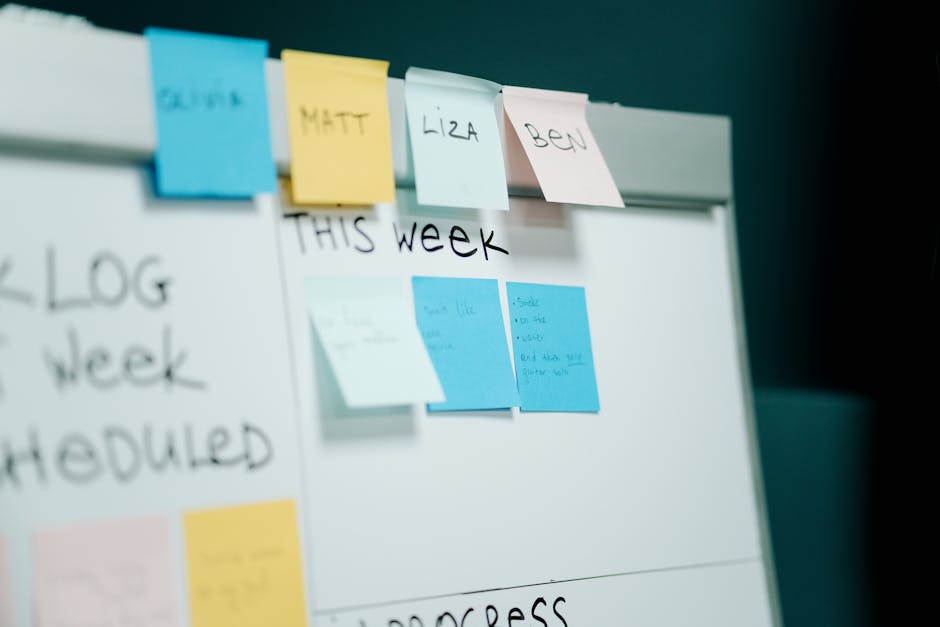
To counter this, I could implement a quick check before starting my focus block. By taking a moment to rewrite my top three tasks on a sticky note and placing it right next to my laptop, I can create a visual cue that helps ground my efforts. This simple adjustment could help realign my attention and ensure that my time blocking is effective rather than just a theoretical exercise.
A More Workable Alternative to Time Blocking
During a typical weekday, I often find myself staring at a cluttered browser tab row, each one a potential distraction pulling my focus away from the tasks at hand. When the task list expands beyond the time I have available, the mismatch between my work surface and task surface becomes painfully clear. To combat this, I’ve started implementing a few specific strategies that help streamline my workflow and reduce task-switching.
Rewrite the top three tasks: Before opening my working document, I take a moment to jot down the three most critical tasks on a sticky note. This simple act, done right at my desk, serves as a visual reminder of what I need to prioritize.
Utilize a calendar block: I allocate specific time slots for each of these tasks on my calendar. By blocking out 30-minute increments, I create a structured environment that discourages multitasking and encourages focused work.
Limit task-switching: I commit to focusing on one task at a time, ensuring that I don’t jump between tabs or projects. This means resisting the urge to check email or social media until my focus block is complete.
By integrating these methods into my daily routine, I’ve noticed a significant reduction in wasted time and distractions. The act of rewriting my top tasks not only clarifies my priorities but also aligns my focus with the time I have available, making my time-blocking efforts more effective and less theoretical.
The Tradeoff: Flexibility vs. Structure
During a typical weekday, I often find myself staring at a browser tab row cluttered with open projects and emails, a visual reminder of the chaos that can ensue when my time management methods clash with my actual workflow. On one hand, I have my calendar blocks neatly organized, each assigned to specific tasks. On the other, the reality of sudden interruptions—like a Slack message or an urgent email—can easily derail my focus. This is where the tradeoff between flexibility and structure becomes painfully clear.
When I rigidly adhere to my time blocks, I might miss out on the natural flow of my work. For instance, if I have a 30-minute focus block scheduled for writing, but I receive a critical update that requires immediate attention, sticking to the plan can feel counterproductive. Yet, if I allow too much flexibility, I risk drifting into a rabbit hole of task-switching. The top three tasks on my list often go unchecked, and I find myself bouncing between tabs without making real progress. The key is to recognize when to adjust my schedule without losing sight of my priorities.
To strike a balance, I’ve started implementing a quick check before opening my working document: I glance at my calendar and remind myself of the tasks I’ve blocked out. If I find that my focus block has been disrupted, I’ll rewrite my top three tasks right there on my desk planner. This small act not only reaffirms my priorities but also helps me decide whether to stick to the original plan or make a necessary adjustment. In this way, I can maintain a semblance of structure while still being responsive to the unpredictable nature of remote work.
If this pattern keeps repeating, Managing Energy Not Time extends the idea without leaving the niche.
During a typical weekday, I sit at my desk, staring at a browser tab row filled with open projects and emails. Before diving into my working document, I make it a habit to check my calendar. This moment is crucial; it helps me ensure that my focus aligns with the tasks I’ve previously blocked out. If my calendar shows a focus block for writing, I remind myself to stick to it. This simple act of checking serves as a mental reset, steering me away from the temptation to switch tasks impulsively.
Next, I set a timer for my focus block, usually for 25 minutes. This timer becomes my visual cue, sitting next to my laptop. When it starts ticking, I know I have a dedicated period to concentrate solely on the task at hand. If I find that my top three tasks are still unaddressed after the timer goes off, I pause to rewrite them on my desk planner. This step not only reinforces my priorities but also helps me gauge whether I need to adjust my workflow. If the tasks remain unchanged, it signals that I need to reevaluate my time management methods. By incorporating this quick checkpoint, I can maintain focus and reduce the likelihood of drifting into unproductive task-switching.
When the Alternative Fits Best
This same friction shows up again in Focus Without Burnout, especially when the day tightens unexpectedly.
During a busy weekday afternoon, when my browser tab row is filled with multiple projects, I often find myself overwhelmed by the sheer volume of tasks. In these moments, traditional time blocking methods can falter. The mismatch between my work surface, cluttered with open tabs, and my task surface, a lengthy to-do list, creates friction that disrupts my workflow. This is where a more flexible approach to time blocking becomes essential.
Instead of rigidly adhering to a predetermined schedule, I switch to a dynamic task-switching strategy. I take a moment to scan my calendar for any focus blocks I’ve set. If I notice that my tasks are piling up, I prioritize the top three tasks and write them out on my desk planner. This act of physically rewriting my priorities not only clarifies what I need to tackle but also serves as a mental reset. I often find that just by doing this, I can eliminate distractions and focus on the most pressing items.
As I dive into my focus block, I set a timer for 25 minutes, allowing myself to concentrate solely on the first task. However, if I notice that I’m still juggling multiple projects during this time, I pause to reassess. This is a crucial checkpoint; I might realize that I need to adjust my approach. If I’m still switching tasks mid-block, it signals that my initial setup—whether it’s the arrangement of my physical workspace or the layout of my digital tools—needs rethinking. Adapting my blocking method to fit the chaotic nature of my workload can make all the difference in maintaining my productivity.
When the task list exceeds the available time, the mismatch between your work surface and task surface becomes glaringly apparent. For instance, if your browser tab row is cluttered with various projects and you haven’t rewritten your top three tasks, it’s easy to lose focus. This disorganization can lead to constant task-switching, where you think you're making progress but are actually just bouncing between unfinished items. To combat this, take a moment to clear your digital workspace before diving into your focus block. Close unnecessary tabs and open only the document related to your highest priority task.
As you prepare to work, double-check your calendar for any focus blocks you’ve scheduled. If you see one coming up, use that time to rewrite your task list on your desk planner. This simple act not only sets your priorities straight but also aligns your workspace with your intended workflow. By ensuring that your physical and digital environments support your focus habits, you can minimize distractions and maximize your productivity during those crucial blocks of time.